
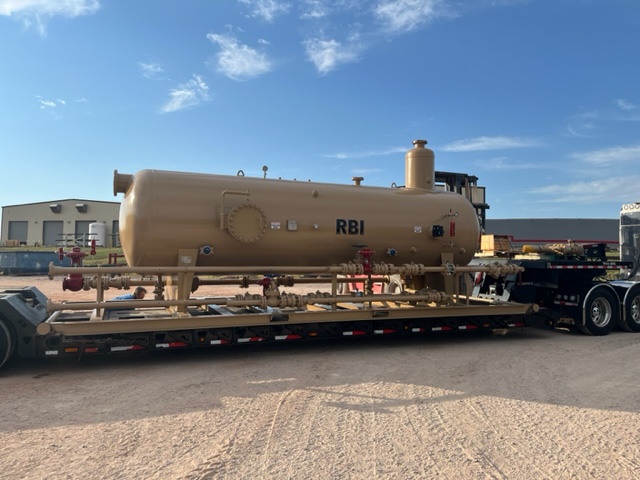
A well-specified separator operates invisibly, processing the well stream, protecting downstream equipment and maintaining flow without demanding attention. When the specification is wrong, the consequences are known through the process and the equipment connected to it. RBI manufactures horizontal and vertical separators for two-phase and three-phase separation across a wide range of sizes, pressures and applications, but the vessel itself is only part of the package. What operators in challenging environments often need is a complete production package, engineered around the specific conditions of the site.
THE BASE SEPARATOR
RBI separators range from 12 inches to 15 feet in diameter and 6 to 70 feet in length, handling pressures from 50 to 10,000 psi. Two-phase configurations separate gas from liquid. Three-phase configurations handle oil, gas and water. All vessels are built to ASME Section VIII, Division 1 or 2 and are National Board Registered, available in horizontal or vertical orientation with containment or no-containment skid options.
Customizable internals including inlet deflectors, quieting baffles, sand dams, weir buckets, vortex breakers, mesh pads and vane packs allow each unit to be matched to the actual composition and behavior of the well stream rather than a generic specification.
When the Site Demands More: RBI’s Insulated Enclosure Package
For operators in harsh or variable climates, RBI offers a custom-engineered insulated enclosure built around the separator. The enclosure transforms a standard vessel into a fully protected, worker-accessible production unit designed for year-round operation in any conditions.
Inside the enclosure, the configuration is customer-specific and can include:
- Full LEL (Lower Explosive Limit) monitoring, a permanently installed gas detection system that checks methane levels and alerts personnel before entry, functioning as a fixed-installation equivalent of the personal gas monitors workers wear in the field
- Exhaust fan for ventilation and temperature management
- Heater for cold climate operation
- LED lighting system for safe interior visibility
- Panic doors with push-bar hardware for rapid emergency exit
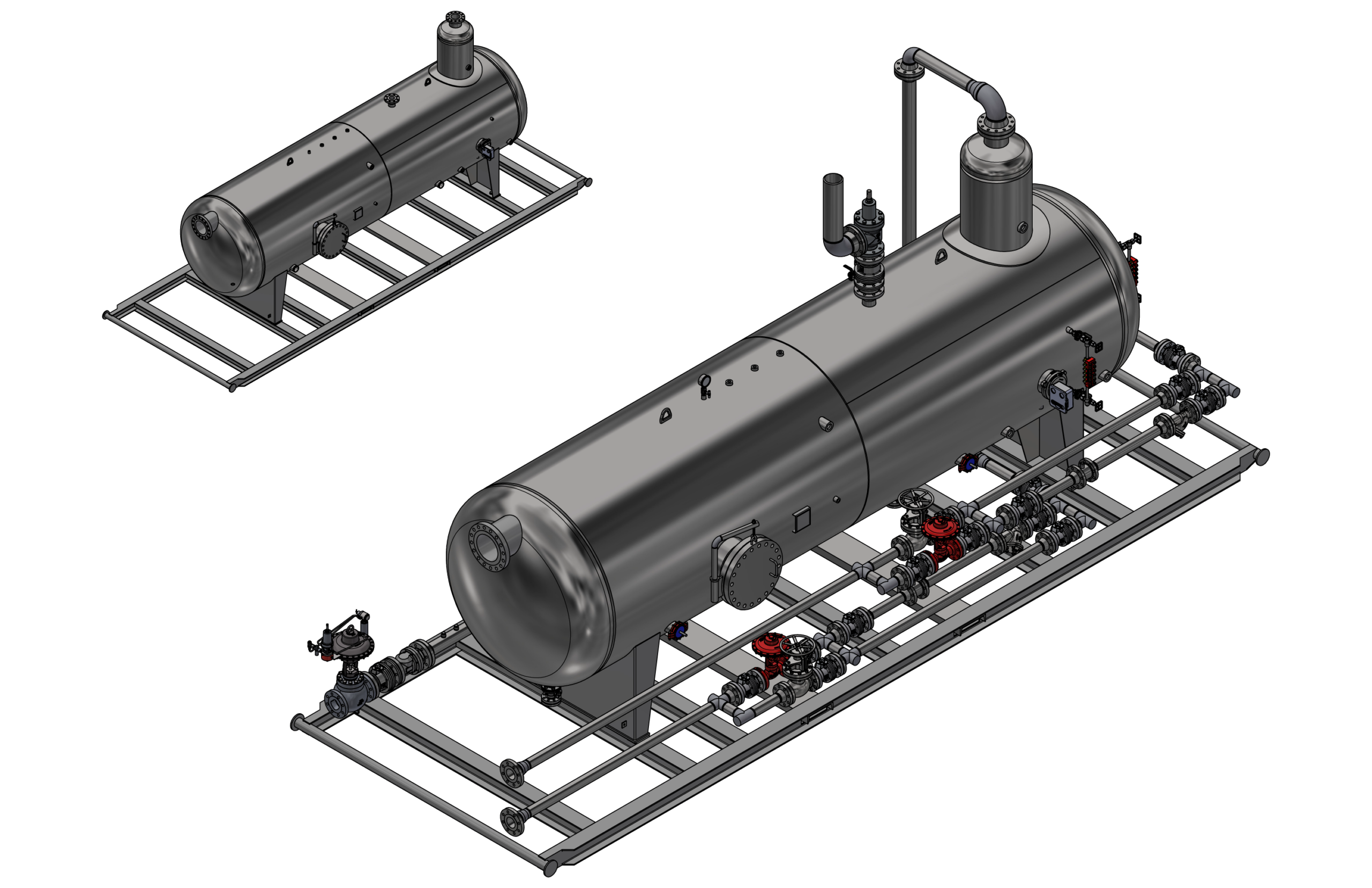
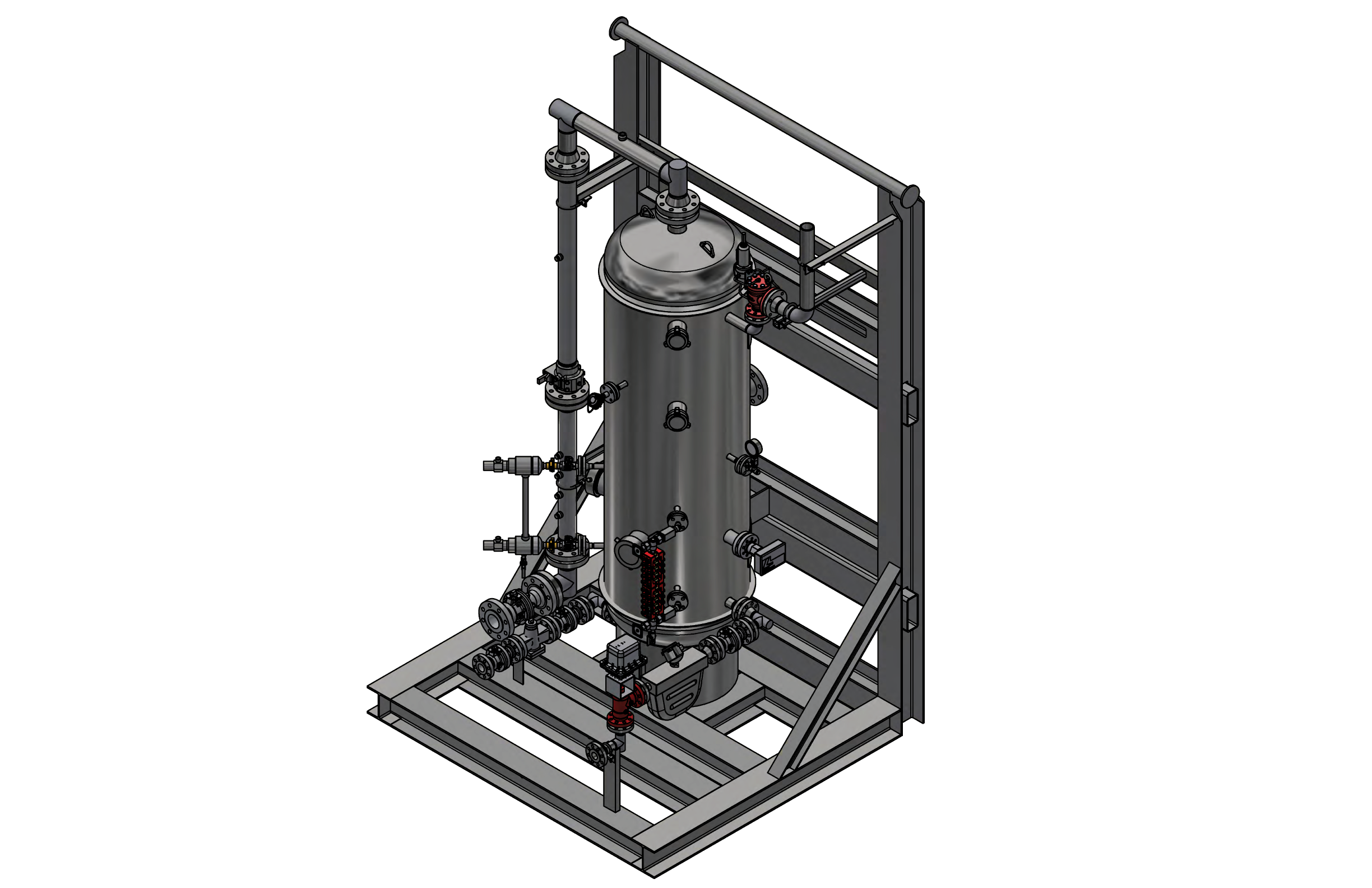
Because the enclosure is fully insulated, the unit can operate in the deep-cold conditions of basins like the Williston Basin where freeze protection is not optional, while remaining fully functional in warmer months. An operator installing the unit in July runs the fan. When winter arrives, the heater engages. The package is designed around the most demanding conditions the site will see, and everything else that falls within that range.
No two enclosure packages are identical. Every specification including size, door configuration, hardware and internal systems is engineered to the customer’s requirements.
Conditions Vary by Basin. The Equipment Should Too.
A production pad in the Appalachian Basin may be carved into a hillside where space is the primary constraint and modular, compact equipment makes the difference between a workable layout and one that isn’t. A similar production pad in the Permian Basin looks entirely different with open acreage, room to spread out and different priorities.
Add snow loads, wind loads and freeze-off risk for northern operators, and the range of conditions RBI designs for becomes clear. The right production equipment isn’t defined by a spec sheet alone. It’s defined by where it’s going, what it will face and how the people running it need to access and maintain it.
RBI engineers separators and production equipment to the specific demands of the well and the site. Contact RBI to discuss specifications or request a quote.
